

The bread that was fresh from the oven when you set off from home arrives at the cabin clammy and squashed flat in a plastic bag. And a packed lunch on a hike deserves better than sweaty cling film. With the right packing, both the weekend loaf and the packed lunch survive the trip, and taste the way they should.
Transport: the forgotten part of bread storage
A warm car is one of the worst things a loaf in a plastic bag can experience. The temperature swings from a cool morning to a warm afternoon, and every swing creates condensation on the inside of the plastic. The crust turns clammy, and mould has got a head start before the cabin door is even opened.
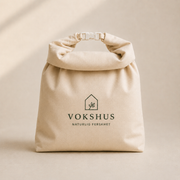
The rules are simple: the bread must be fully cooled before you leave, and it needs to sit in something that breathes. The beeswax bag is made for exactly that job. It closes with a clip, so it is just as easy to open and close along the way, and it can withstand being packed into a full boot.
At the cabin the same rules apply as at home
Room temperature and breathable storage win at the cabin too. Many cabins are cooler than flats, and that is an advantage for the bread. If you light a fire, keep the bread away from the fireplace and the panel heater: heat dries it out. And if there is an old bread bin already there, it is better than a plastic bag, but keep the bread in the breathable bag inside the bin, so you get the best of both.
And the fridge at the cabin is just as wrong as the fridge at home: there the bread goes dry and stale faster. If it is summer and warm inside the cabin, the advice in the guide on storing bread in summer applies.
A winter cabin is its own story. If the cabin stands cold between visits, it works in practice like a freezer: bread you leave behind in the bag freezes and thaws nicely for the next weekend. The only thing to avoid is the zone right next to the heat source when you light the fire, where the bread dries out within hours.
The checklist before you leave
Friday's packing does not have to be complicated. This is all the bread needs:
Fully cooled bread. Bake the evening before at the latest, or buy some on the way and repack it. A breathable bag. The bread travels in the beeswax bag from the counter at home to the counter at the cabin. A couple of beeswax wraps. They cover the packed lunch on the way, the dinner leftovers and the cheese in the cabin fridge. A spot in the shade. The bread sits on top of the luggage, not in the blazing sun behind the rear window.
The packed lunch: plastic-free
-
1Warm a beeswax wrap between your hands
Ten to twenty seconds, until the wax softens and the sheet becomes pliable.
-
2Place the slices in the middle of the sheet
The topping stays in place when the parcel sits snugly around the slices.
-
3Fold it like a parcel and press the edges
The wax seals itself as it cools. No elastic band, no cling film, no loose corners in your rucksack.
-
4Reuse the wrap for the whole trip
Wipe it between uses, and wash it in cold water with mild soap once you are home again. More uses are listed in the beeswax wrap user guide.
The slices stay soft without turning clammy, because the wrap breathes just like the bag. It can withstand being squashed in your rucksack, but not lying in the blazing sun: the wax softens in heat, so pack your lunch in the middle of the rucksack instead of in the top lid on a warm day.
What suits what
| Situation | Solution | Worth knowing |
|---|---|---|
| A whole loaf for the weekend | A breathable bread bag | Cool the bread fully before packing |
| Packed lunch and slices | Beeswax wraps | Folded into a parcel that stays closed by itself |
| A longer stay | Freeze slices at the cabin | Thaw on the counter or toast them straight from the freezer |
| The journey home | The same bag back | Freeze leftovers at home, or refresh them in the oven |
How to freeze and thaw without losing the crust is covered in the guide on freezing bread the right way.
Frequently asked questions
Can beeswax wraps handle a rucksack?
Should the bread go in a cool bag on the way?
What do I do with the bread left behind at the cabin?
Do beeswax wraps work for crispbread and biscuits on a hike?
Fresh bread, whatever the address
The Vokshus Bivoks™ bread bag in cotton and linen: it breathes in the car, in the rucksack and on the cabin counter.
See the bread bag →- Keeps bread fresh for 7 to 10 days
- ·
- Closes with a clip
- ·
- 365-day guarantee